The State of the Fashion Apparel Industry: Insights and Marketing Strategies
INDUSTRY INSIGHTS
2/5/20257 min read

The State of the Fashion Apparel Industry: Insights and Marketing Strategies
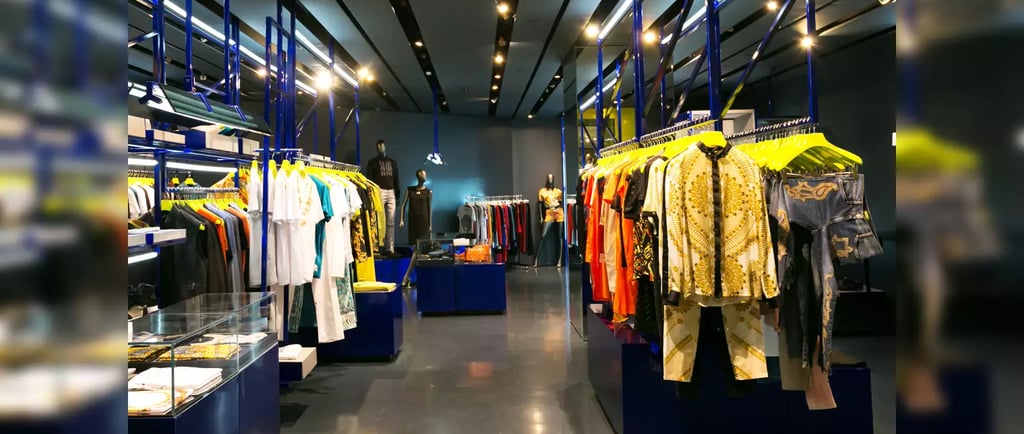
The clothing industry is one of the most dynamic and influential sectors in the global economy. From fast fashion giants to sustainable apparel brands, the apparel and clothing industry continues to evolve, driven by changing consumer preferences, technological advancements, and growing awareness of environmental and ethical concerns. In this blog post, we’ll explore the current state of the clothing fashion industry, analyze consumer behaviour, discuss effective marketing strategies, and highlight future trends shaping the sector.
I. Introduction to the Fashion Apparel Industry
A. Overview of the Global Market
The apparel industry is a 1.8 trillion dollar global clothing market, with key players spanning continents. According to Statista, the global fashion market's revenue is expected to show an annual growth rate (CAGR 2025-2029) of 7.65%, resulting in a projected market volume of US$1,183.00bn by 2029. Rising disposable incomes, urbanization, and the increasing influence of digital platforms fuel this growth.
B. Key Segments within the Industry
The clothing fashion industry is divided into several segments, including:
Fast fashion: Brands like Zara and H&M dominate this space, offering trendy, affordable clothing.
Luxury fashion: High-end brands like Gucci and Louis Vuitton cater to affluent consumers.
Sustainable and ethical fashion: Companies like Patagonia and Eileen Fisher focus on environmentally friendly fashion and fair labour practices.
Recycled fashion: Brands like Reformation and Levi’s are leading the charge in upcycling and recycling materials.
C. Historical Trends and Future Projections
Historically, the industry has been driven by mass production and consumption. However, the rise of green fashion brands and environmental fashion brands signals a shift toward sustainability. By 2030, the global market for sustainable fashion is expected to reach $9.81 billion, reflecting growing consumer demand for eco-conscious products.
II. Consumer Behavior in Fashion Apparel
A. Understanding Consumer Preferences
Today’s consumers are more informed and value-driven than ever. They prioritize quality, sustainability, and brand ethics. For instance, 60% of millennials prefer to buy from sustainable apparel brands, according to a Nielsen report.
B. The Impact of Social Media on Shopping Habits
Social media platforms like Instagram and TikTok have revolutionized how consumers discover and purchase fashion. Influencers and user-generated content play a significant role in shaping trends and driving sales.
C. Trends in Sustainability and Ethical Fashion
The rise of ethical fashion and recycled fashion reflects a broader cultural shift toward environmental responsibility. Consumers are increasingly willing to pay a premium for products that align with their values.
III. Competitive analysis
A. Porter’s Five Forces
1. Threat of New Entrants
Barriers to Entry: Moderate to Low
Economies of Scale: Established brands like Zara and H&M and local giants like FabIndia and Biba benefit from economies of scale, making it harder for small players to compete on price.
Capital Requirements: Moderate capital is required for starting up, especially for e-commerce or physical stores.
Brand Loyalty: Established brands have a loyal customer base, but new entrants can carve niches (e.g., eco-friendly, custom designs).
Access to Distribution Channels: Getting access to retail space (in malls, for instance) and e-commerce platforms can be a challenge but isn't impossible for startups.
Switching Costs: Relatively low; customers can easily shift between brands.
Overall: The threat of new entrants is moderate.
2. Bargaining Power of Suppliers
Concentration of Suppliers: Many suppliers of raw materials (like fabrics and trims) are concentrated in specific areas (e.g., Surat for textiles, Ludhiana for knitwear).
Availability of Substitutes: There are many options for sourcing fabric and raw materials, but certain specialized fabrics may be harder to source.
Cost of Switching: Generally low, though switching may be difficult for high-quality or eco-friendly fabrics.
Overall: Supplier power is moderate in the Indian fashion apparel industry.
3. Bargaining Power of Buyers
Number of Alternatives: With a wide variety of fashion brands available both offline and online, buyers have many options.
Price Sensitivity: Indian buyers are price-sensitive, but the growing middle class is willing to pay a premium for branded or quality products.
Brand Loyalty: Strong in premium and luxury segments but relatively weak in the mass market.
Switching Costs: Low, as consumers can easily switch between brands.
Overall: The bargaining power of buyers is high.
4. Threat of Substitute Products
Availability of Substitutes: Fashion is a rapidly evolving space, and substitutes like second-hand clothing, local artisanal wear, or rental services (e.g., for occasion wear) are emerging trends.
Innovation and Trends: The continuous evolution of fashion means that products can quickly become outdated, and consumers can easily shift to alternatives.
Overall: The threat of substitutes is moderate to high, especially in the fast fashion segment.
5. Industry Rivalry
Number of Competitors: The fashion apparel industry in India is highly competitive with numerous national and international players (e.g., Zara, H&M, Myntra, FabIndia, Pantaloons, etc.).
Rate of Industry Growth: The Indian apparel industry is growing, but competition is fierce in both urban and semi-urban markets.
Differentiation: Brands that offer unique styles, eco-friendly materials, or localized fashion (e.g., ethnic wear) tend to stand out.
Fixed Costs: High fixed costs in retail and distribution networks, especially for physical stores.
Overall: The intensity of rivalry is high in the fashion apparel industry.
Summary of Forces for the Fashion Apparel Industry in India:
Threat of New Entrants: Moderate
Bargaining Power of Suppliers: Moderate
Bargaining Power of Buyers: High
Threat of Substitutes: Moderate to High
Industry Rivalry: High
IV. Marketing Strategies in the Fashion Apparel Industry
A. Traditional Marketing Approaches
Print and Television Advertising: While declining, these methods remain effective for luxury brands targeting older demographics.
Product Placement and Sponsorships: Collaborations with celebrities and influencers help brands reach wider audiences.
Fashion Shows and Events: Events like Paris Fashion Week continue to set trends and generate buzz.
B. Digital Marketing Tactics
Social Media Campaigns: Brands like Nike and Adidas excel at creating viral campaigns that resonate with younger audiences.
Influencer Collaborations: Micro-influencers are particularly effective for niche markets like environmentally friendly fashion.
Email Marketing and Newsletters: Personalized email campaigns drive customer retention and repeat purchases.
C. E-commerce Strategies
User Experience Design: Seamless navigation and mobile optimization are critical for online success.
Online Marketplaces vs. Brand Websites: While platforms like Amazon offer reach, brand websites allow for greater control over the customer experience.
Logistics and Supply Chain Management: Fast and reliable delivery is a key differentiator in the fast fashion industry.
V. Challenges Facing the Fashion Apparel Industry
A. Economic Factors and Market Volatility
The industry is highly sensitive to economic fluctuations, as seen during the COVID-19 pandemic.
B. Competition and Market Saturation
With countless brands vying for attention, standing out requires innovation and differentiation.
C. Regulatory and Social Pressures
Governments and advocacy groups are pushing for greater transparency and sustainability, forcing brands to adapt.
VI. Future Trends in the Fashion Apparel Industry
The fashion apparel industry is undergoing rapid transformation, driven by technological advancements, sustainability concerns, and changing consumer expectations. Here are some of the most prominent future trends shaping the industry:
A. Technological Innovations Impacting Fashion
Augmented Reality (AR) and Virtual Reality (VR)
AR and VR are revolutionizing the online shopping experience by allowing consumers to virtually "try on" clothes before purchasing. Brands like Gucci and Nike have already integrated AR-powered fitting rooms into their apps, reducing return rates and enhancing customer satisfaction.
Virtual fashion shows and digital fashion collections, like those seen in the metaverse, are creating new avenues for engagement and brand positioning.
Artificial Intelligence (AI) and Data Analytics
AI-driven personalization is enabling brands to offer hyper-customized recommendations based on shopping history, preferences, and browsing behaviour.
Predictive analytics helps brands optimize inventory management, reducing overproduction and waste—a crucial factor for sustainability-conscious consumers.
AI chatbots and virtual assistants are improving customer support and engagement on e-commerce platforms.
Blockchain for Transparency and Traceability
Blockchain technology is emerging as a solution for supply chain transparency, allowing consumers to track a product’s journey from raw material sourcing to final production.
Luxury brands like Louis Vuitton and Prada are leveraging blockchain to verify authenticity and prevent counterfeit products.
B. Sustainability and Ethical Fashion
Eco-Friendly Materials and Circular Fashion
The shift towards biodegradable and recycled materials is gaining momentum. Brands like Adidas have introduced sneakers made entirely from ocean plastic, and companies like Stella McCartney are pioneering lab-grown leather alternatives.
Circular fashion, where clothes are designed to be reused, repaired, or upcycled, is reshaping the industry's approach to sustainability.
Rental and Second-Hand Fashion
The resale market is expected to grow significantly, driven by platforms like The RealReal, ThredUp, and Poshmark. This trend appeals to environmentally conscious consumers seeking affordable yet stylish options.
Fashion rental services, like Rent the Runway, are becoming popular, allowing consumers to access high-end fashion without ownership, thereby reducing waste.
Ethical Supply Chains and Fair Trade
Consumers are demanding greater transparency regarding the working conditions of garment workers. Brands that fail to comply with ethical labour standards may face backlash.
Companies are adopting sustainable production practices, such as using renewable energy in manufacturing and ensuring fair wages for labourers.
C. Digital Transformation and Omnichannel Retailing
Rise of Direct-to-Consumer (DTC) Brands
DTC brands are bypassing traditional retail channels to sell directly to consumers via their websites and social media. This model allows brands to have greater control over pricing, customer data, and engagement.
Brands like Everlane and Warby Parker have successfully adopted this model, enhancing personalization and building stronger customer relationships.
Seamless Omnichannel Shopping Experience
Brands are integrating online and offline experiences, ensuring that consumers have a consistent shopping experience across physical stores, websites, mobile apps, and social media platforms.
Innovations like "click and collect" services, curbside pickup, and same-day delivery are becoming standard.
Livestream Shopping and Social Commerce
Livestream shopping, already a billion-dollar industry in China, is gaining traction worldwide. Fashion brands are collaborating with influencers to showcase products in real time, driving impulse purchases.
Social commerce through platforms like Instagram, TikTok, and Pinterest is making it easier for consumers to shop directly from their favorite social media apps.
D. Personalized and Inclusive Fashion
Customization and Made-to-Order Fashion
Consumers are increasingly looking for personalized products, from custom-fit clothing to unique designs tailored to their preferences.
AI-driven customization tools allow brands to create garments based on body measurements, reducing returns and increasing customer satisfaction.
Diversity and Inclusivity
The fashion industry is embracing inclusivity by offering size-inclusive and gender-neutral collections.
Brands are recognizing the demand for adaptive fashion for people with disabilities, offering clothing with easy fastenings and sensory-friendly materials.
VII. Conclusion
A. Summary of Key Findings
The fashion apparel industry is at a pivotal moment, balancing the demand for fast fashion with a rising shift towards sustainability and digital transformation. Consumers are increasingly prioritizing ethical brands, eco-friendly materials, and personalized shopping experiences. Technological advancements, from AI-driven customization to blockchain transparency, are reshaping how brands operate and engage with their audiences.
B. Implications for Brands and Marketers
To stay competitive, brands must embrace innovation and adaptability. The following strategies will be critical for success:
Adopting sustainable and ethical business practices: Brands that fail to address environmental concerns risk losing consumer trust.
Investing in technology: AR/VR, AI-driven personalization, and blockchain solutions will be key differentiators.
Leveraging digital marketing and social commerce: Engaging with consumers through influencers, livestream shopping, and omnichannel experiences will drive growth.
Differentiation and brand storytelling: Consumers connect with brands that align with their values. Crafting an authentic and transparent brand narrative will be crucial.
C. Final Thoughts on Industry Evolution
The fashion industry has always been a reflection of societal values, technological progress, and economic trends. In the coming years, the industry will continue its transformation towards sustainability, digitalization, and personalization. Companies that proactively adapt to these changes—while staying true to their brand identity—will emerge as leaders in this dynamic landscape.
Ultimately, the future of fashion is not just about aesthetics or trends; it is about sustainability, innovation, and consumer empowerment. Whether through ethical supply chains, digital fashion experiences, or AI-powered personalization, brands that evolve with these emerging trends will shape
Connect
Stay updated with our latest marketing insights.
Follow
Subscribe
+919818636980
© 2025. All rights reserved.