Holistic Marketing: A Comprehensive Approach for Business Success Unlocking the Power of Holistic Marketing for Modern Brands
Discover how holistic marketing creates a seamless brand experience by integrating all aspects of marketing—internal, integrated, relationship, and performance marketing. This blog explores its significance, strategies, and real-world applications to drive business success. Learn how modern brands can build consistency, trust, and long-term customer relationships through a comprehensive, unified approach to marketing.
BLOGS
2/4/20253 min read
Holistic Marketing: A Comprehensive Approach for Business Success Unlocking the Power of Holistic Marketing for Modern Brands
Introduction to Holistic Marketing
In today's competitive business landscape, adopting a holistic marketing strategy isn't just an option—it’s a necessity. By embracing a comprehensive view, organizations can build meaningful connections with their customers and stakeholders. This approach goes beyond just promoting a product; it focuses on nurturing relationships, integrating efforts across various marketing channels, and ensuring everyone in the organization understands the vision and values.
What is Holistic Marketing?
Holistic marketing is an approach that recognizes the interconnectedness of all marketing activities. It emphasizes the importance of considering the overall experience of customers, rather than merely focusing on individual campaigns. In essence, it’s about seeing the big picture.
This marketing strategy consists of several aspects, including:
Understanding customer needs and preferences
Building strong relationships with stakeholders
Promoting a consistent message across all channels
Fostering loyalty and trust within the organization and with customers
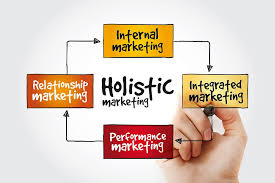
Key Components of Holistic Marketing
Internal Marketing
One crucial aspect of holistic marketing is internal marketing. This involves ensuring that employees understand the company’s goals and values, leading to greater trust and loyalty. When team members share common values (co-values), they are likely to represent the brand positively, which ultimately affects customer perception.
Building Trust: Create an environment where employees feel valued and informed.
Fostering Loyalty: Implement programs that reward employees for their efforts.
Integrated Marketing
Integrated marketing ensures that various communication channels work together seamlessly. Whether it's social media, email marketing, or traditional advertising, the goal is to create a unified message that resonates with the audience.
Consistency: Use the same tone and visuals across all platforms.
Cross-Promotion: Leverage different channels to enhance overall reach.
Relationship Marketing
Relationship marketing shifts the focus from short-term sales to long-term customer relationships. It involves understanding customer preferences and consistently engaging with them. This can be facilitated through Customer Relationship Management (CRM) systems that help track interactions and gather insights.
Stakeholder Engagement: Keep lines of communication open with customers, suppliers, and other partners.
Personalization: Tailor communications to meet the specific needs of each customer.
Performance Marketing
Lastly, performance marketing is essential in evaluating the effectiveness of holistic marketing efforts. By measuring returns on investment (ROIs), businesses can fine-tune their strategies and focus on what works best.
Data Analysis: Use analytics tools to track campaign performance and customer behavior.
Optimization: Adjust marketing strategies based on performance metrics.
Benefits of Holistic Marketing
Implementing a holistic marketing approach can yield numerous benefits for businesses, such as:
Improved Customer Experience: By understanding customer needs more deeply, organizations can tailor their offerings accordingly.
Enhanced Brand Loyalty: A cohesive message helps build trust, leading to greater customer loyalty.
Streamlined Operations: Integrating marketing efforts can reduce redundancy and improve efficiency.
Higher Returns on Investment: A focus on performance helps ensure that marketing dollars are spent wisely.
Implementing a Holistic Marketing Strategy
To implement a successful holistic marketing strategy, consider the following steps:
Define Your Goals: Clearly outline what you want to achieve with your marketing efforts.
Engage Your Team: Involve all departments in the marketing plan to ensure everyone is on the same page.
Analyze Your Audience: Conduct research to understand customer preferences and motivations.
Create a Unified Content Plan: Develop messaging that can be adapted across platforms yet maintains a consistent brand voice.
Measure and Adjust: Regularly evaluate the performance of your marketing efforts and make necessary adjustments.
Conclusion
In summary, holistic marketing offers a comprehensive approach that not only benefits customers but also strengthens internal teams. By embracing internal marketing, integrated marketing, relationship marketing, and performance marketing, businesses can create a more profound impact and foster lasting connections. If you’re looking to improve your marketing strategy, consider the holistic approach and start building a unified, cohesive brand today. What steps are you taking to implement holistic marketing in your business?
Related articles
Connect
Stay updated with our latest marketing insights.
Follow
Subscribe
+919818636980
© 2025. All rights reserved.