Mastering the 7 P's of Marketing: A Comprehensive Guide for Businesses
Unlock the power of marketing with our in-depth guide on the 7 P’s of Marketing—Product, Price, Place, Promotion, People, Process, and Physical Evidence. Learn how to leverage these key elements to craft successful marketing strategies, boost brand growth, and stay ahead in today’s competitive landscape. Perfect for businesses aiming to enhance their marketing effectiveness! 🚀
BLOGS
2/4/20255 min read
Mastering the 7 P's of Marketing: A Comprehensive Guide for Businesses


Introduction to the 7 P's Marketing
The 7 P's of marketing, also known as the extended marketing mix, include Product, Price, Place, Promotion, People, Process, and Physical Evidence. These elements are essential for crafting effective marketing strategies that address every aspect of a business’s offering.
The marketing mix originated in the 1960s with the 4 P's: Product, Price, Place, and Promotion. Over time, the model expanded to include three additional P's, emphasizing the human and experiential aspects of marketing. Today, the 7 P's provide a holistic framework for businesses to meet customer needs, differentiate themselves in competitive markets, and ensure sustained growth in the digital age
Product: The Core of Your Offering
Defining your product or service is the first step in any marketing strategy. Understanding its features and specifications ensures clarity and allows you to differentiate it from competitors. Additionally, considering the product lifecycle helps in planning strategies for introduction, growth, maturity, and decline stages.
Products can vary widely. They may be goods or services, tangible or intangible, and can be categorized as necessities or luxuries. Each variation requires a tailored marketing approach.
Packaging and branding also play a significant role in shaping consumer perceptions. A well-designed package not only captures attention but also communicates value. Strong brand identity fosters recognition and trust, influencing consumer choices at the point of sale.
Price: The Value Proposition
Pricing strategies are crucial in conveying the value of your product. Cost-plus pricing ensures profitability, competitive pricing aligns with industry standards, and value-based pricing reflects perceived customer value.
Several factors influence pricing decisions. Market demand, elasticity, production costs, and competitor pricing are critical considerations. Additionally, psychological pricing techniques, such as charm pricing (e.g., $9.99), price anchoring, and dynamic pricing, can impact customer perceptions and purchasing behavior.
Place: Distribution Channels
An effective distribution strategy ensures your product reaches the right customers at the right time. Businesses can choose between direct and indirect distribution, collaborate with various types of retailers and wholesalers, or leverage hybrid models.
Logistics and supply chain management are integral to distribution. Efficient transportation, inventory management, and cost considerations contribute to overall efficiency and profitability.
The rise of e-commerce and digital distribution has transformed traditional models. Optimizing websites and platforms and staying updated on trends in digital marketing channels are essential for success in today’s market.
Promotion: Communicating with Customers
Promotion encompasses all efforts to communicate with your target audience. Integrated marketing communications, including advertising, public relations, and sales promotions, help raise awareness and drive sales.
Content marketing and social media have become pivotal in engaging audiences. Creating valuable content, utilizing platforms effectively, and measuring promotion effectiveness ensure your efforts yield results.
Personal selling and customer engagement further enhance relationships. Building trust, maintaining open communication, and gathering feedback contribute to long-term success.
People: The Human Element
Employees are a critical component of marketing success. Training and development programs, employee engagement strategies, and a focus on customer service excellence empower teams to deliver exceptional experiences.
Understanding your target audience through market segmentation is equally important. Identifying ideal customers and tailoring marketing efforts based on behavioral and demographic insights helps in crafting personalized campaigns.
Stakeholder relationships, including partnerships with suppliers and community engagement, enhance credibility. Influencers and brand ambassadors can amplify your message and extend your reach.
Process: The Mechanics of Delivery
Mapping customer journeys helps businesses visualize interactions and enhance experiences. Identifying pain points and improving touchpoints create seamless journeys for customers.
Streamlining business processes improves efficiency. Leveraging technology, adopting continuous improvement practices, and refining operations ensure smooth delivery.
Measuring process effectiveness through key performance indicators (KPIs) and feedback mechanisms provides insights for ongoing improvements and adaptation to customer needs.
Physical Evidence: Building Trust
Physical evidence reinforces your brand and builds trust, especially for service businesses. Tangible cues, such as brochures, business cards, and promotional materials, validate your offerings.
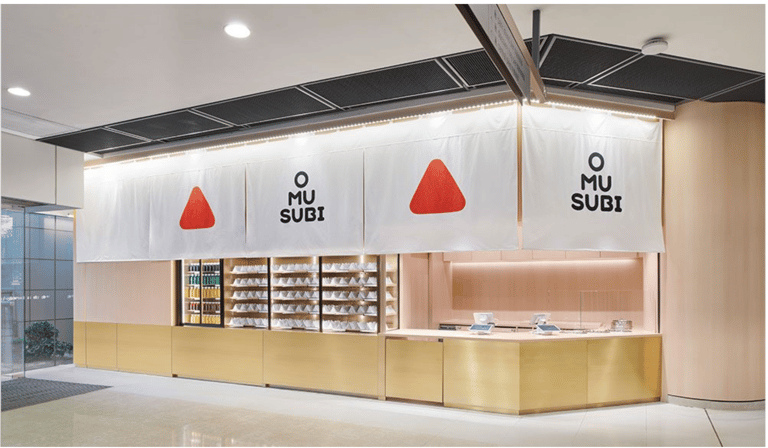
The environment also plays a significant role. Retail spaces designed with care and websites optimized for usability and aesthetics contribute to positive customer experiences.
Customer feedback, reviews, and testimonials further solidify trust. Responding to feedback and showcasing a commitment to improvement enhance public perception and loyalty.
Conclusion
The 7 P's of marketing encompass every critical aspect of a business's strategy. Each element is interconnected, ensuring a cohesive and comprehensive approach to achieving marketing goals.
Businesses that master these principles can effectively navigate the dynamic landscape of modern marketing. By addressing each P with care and adapting strategies to changing conditions, companies can build strong, enduring connections with their audiences.







Frequently asked questions
What are the 7 P's of Marketing?
The 7 P's are a comprehensive framework that includes Product, Price, Place, Promotion, People, Process, and Physical Evidence. Together, they guide businesses in developing holistic marketing strategies.
How do the 7 P's impact small businesses?
The 7 P's help small businesses focus on key areas for growth. They enable resource optimization, targeted marketing, and differentiation from larger competitors, ensuring sustainable success.
Can the 7 P's of Marketing be applied to digital marketing?
Absolutely. The 7 P's adapt seamlessly to digital marketing. For example, 'Place' covers e-commerce platforms, 'Promotion' includes online advertising and SEO, and 'Process' emphasizes a smooth digital customer journey.
How to effectively measure the success of the 7 P's?
Success can be measured through clear KPIs, customer satisfaction scores, conversion rates, and ROI on marketing initiatives. Regular analysis and feedback loops ensure continuous improvement.
Are the 7 P's still relevant in today’s marketing landscape?
Yes, the 7 P's remain highly relevant as they address both foundational principles and the evolving dynamics of modern marketing, including digital transformation and customer-centric strategies.
Related articles
Connect
Stay updated with our latest marketing insights.
Follow
Subscribe
+919818636980
© 2025. All rights reserved.